Professional Abrasives & Grinding Solutions +8615890168176 xlabrasivematerial@gmail.com

Refractory Raw Materials Supplier for Industrial Buyers
Choose a refractory raw materials supplier for fused alumina, silicon carbide, alumina powder and zirconia. Learn uses, specs and buying tips.
6/16/20264 min read
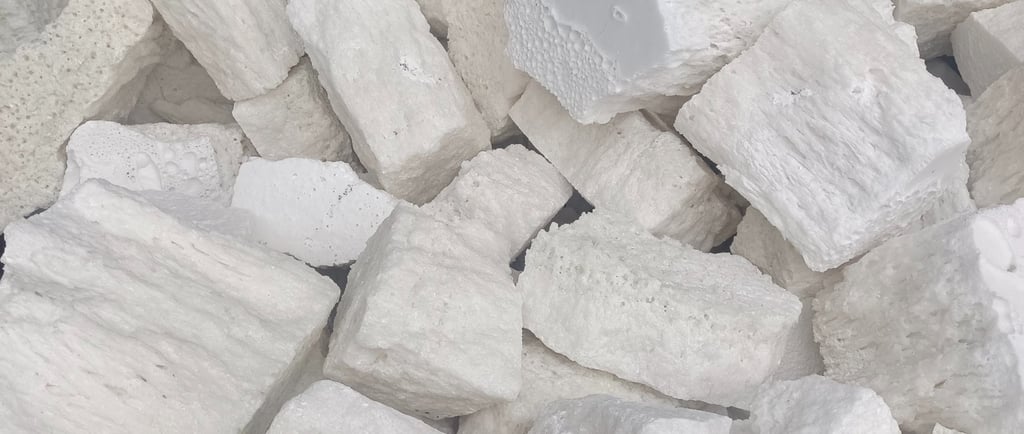
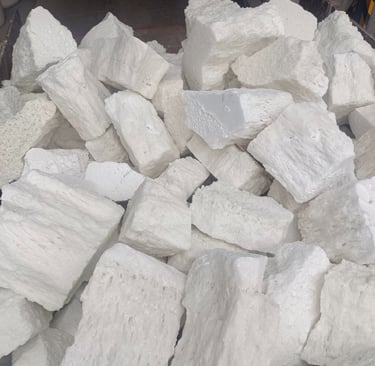
Choosing a reliable refractory raw materials supplier is important for manufacturers of castables, kiln furniture, ceramic linings, furnace parts, steelmaking materials, and high-temperature industrial products. Refractory materials must work under heat, abrasion, chemical attack, and thermal shock. Because of this, the quality of raw materials directly affects service life, production stability, and total operating cost.
For overseas buyers, the right supplier should provide more than a product list. A good supplier should understand chemical composition, particle size, purity, thermal stability, and application requirements.
Xinli Materials supplies industrial refractory raw materials including fused alumina, silicon carbide, alumina powder, zirconium oxide, and other high-temperature materials for global buyers.
What Are Refractory Raw Materials?
Refractory raw materials are mineral or synthetic materials used to produce products that can withstand high temperatures. They are commonly used in steel plants, cement kilns, glass furnaces, ceramics, foundries, non-ferrous metal production, and thermal equipment.
Common refractory raw materials include:
White fused alumina
Brown fused alumina
Tabular alumina
Calcined alumina powder
Silicon carbide
Zirconium oxide
Spinel materials
Ceramic powders
Refractory aggregate and fine powder
Each material has different thermal resistance, chemical stability, hardness, bulk density, and particle size distribution.
Main Refractory Raw Materials
Fused Alumina
Fused alumina is widely used in refractory castables, bricks, ceramic linings, and high-temperature wear-resistant materials. It has high hardness, good thermal stability, and strong resistance to chemical corrosion.
White fused alumina is suitable for high-purity refractory applications, while brown fused alumina is often selected for cost-effective refractory aggregate.
Silicon Carbide
Silicon carbide is an important refractory raw material because of its high hardness, good thermal conductivity, oxidation resistance, and strong wear resistance. It is used in kiln furniture, ceramic rollers, refractory castables, furnace linings, and metallurgical applications.
Black silicon carbide is commonly used in refractory products and steelmaking materials. Green silicon carbide is usually used where higher purity is required.
Alumina Powder
Alumina powder is used in refractory castables, ceramics, coatings, and high-temperature bonding systems. Depending on the application, buyers may need calcined alumina, reactive alumina, spherical alumina, or high-purity alumina powder.
Particle size and purity are important because they affect flowability, sintering performance, strength, and thermal stability.
Zirconium Oxide
Zirconium oxide, also called zirconia, is used in advanced ceramics, refractory components, thermal barrier materials, and wear-resistant products. It offers high toughness, thermal resistance, and chemical stability.
Although zirconia is usually more expensive than alumina or silicon carbide, it is useful in demanding high-performance applications.
Key Properties Buyers Should Compare
When selecting a refractory raw materials supplier, buyers should compare technical properties carefully. The same material name may have different quality levels from different factories.
Important properties include:
Chemical composition
Al2O3, SiC, ZrO2 content
Impurity level
Particle size distribution
Bulk density
Thermal stability
Refractoriness
Wear resistance
Thermal shock resistance
Moisture content
Packaging quality
For refractory aggregate, grain size distribution and bulk density are important. For refractory powder, particle size, purity, and reactivity may be more important.
Common Applications
Refractory Castables
Fused alumina, silicon carbide, alumina powder, and other refractory aggregates are used in castables for furnaces, kilns, ladles, and industrial linings. The right raw material helps improve strength, thermal stability, and wear resistance.
Kiln Furniture and Ceramic Parts
Silicon carbide and alumina-based materials are used in kiln shelves, setters, supports, rollers, and ceramic fixtures. These parts require thermal shock resistance and dimensional stability.
Steelmaking and Metallurgy
Refractory raw materials are used in steel ladles, tundishes, furnace linings, and deoxidizing or wear-resistant applications. Silicon carbide and fused alumina are common choices.
Glass and Cement Industries
High-temperature linings in glass and cement production require materials with strong thermal resistance and chemical stability. Refractory raw material selection directly affects maintenance cycles.
Wear-Resistant Linings
Fused alumina and silicon carbide can be used in high-wear environments where both abrasion resistance and heat resistance are required.
How to Choose the Right Grade
Before requesting a quotation, buyers should define the final use. A supplier cannot recommend the best refractory raw material without understanding the application.
For castables, confirm:
Working temperature
Chemical environment
Required strength
Grain size distribution
Binder system
Installation method
For kiln furniture, confirm:
Maximum service temperature
Thermal shock cycles
Load requirement
Shape and size
Material purity
For refractory powder, confirm:
Particle size or D50
Chemical composition
Sintering requirement
Flowability
Moisture limit
For metallurgical applications, confirm:
Furnace type
Slag condition
Wear condition
Thermal cycling
Required service life
What Makes a Good Refractory Raw Materials Supplier?
A good refractory raw materials supplier should provide stable material quality, clear specifications, and technical communication. For long-term purchasing, repeatability is more important than a one-time low price.
Buyers should check whether the supplier can provide:
Stable production capacity
Consistent chemical composition
Particle size control
Batch inspection reports
COA, TDS, and SDS documents
Flexible packaging
Sample support
Export experience
Technical grade recommendations
A reliable supplier should ask about your application before quoting. This helps avoid wrong material selection.
What Buyers Should Provide for Quotation
To get a fast and accurate quotation, buyers should send complete details.
Recommended RFQ information includes:
Product name
Required chemical composition
Particle size or size range
Application
Working temperature
Quantity
Packaging requirement
Destination country or port
Required documents
Sample requirement
Example RFQ:
“Black silicon carbide powder, 98% SiC minimum, 0-1 mm and 200 mesh, for refractory castable, 10 tons, packed in 25 kg bags, destination Turkey.”
This type of request helps the supplier quote quickly and recommend the correct grade.
FAQ
1. What does a refractory raw materials supplier provide?
A supplier provides materials such as fused alumina, silicon carbide, alumina powder, zirconium oxide, refractory aggregates, and ceramic powders.
2. Which refractory raw material is best for castables?
It depends on working temperature, chemical environment, wear condition, and formula. Fused alumina, silicon carbide, and alumina powder are commonly used.
3. Why is particle size important?
Particle size affects packing density, strength, flowability, sintering behavior, and final refractory performance.
4. Can refractory raw materials be customized?
Yes. Many materials can be supplied in custom particle sizes, purity levels, packaging, and application-specific grades.
5. What documents should buyers request?
Buyers usually request COA, TDS, SDS, particle size report, and chemical composition report.
6. How can I get a quotation?
Send the material name, chemical requirement, particle size, application, quantity, packaging, and destination country.
Contact Xinli Materials with your required refractory raw material, particle size, application and order quantity to get a suitable factory quotation.
Abrasives
High-purity abrasives for various industrial applications.
© 2026. All rights reserved.

