Professional Abrasives & Grinding Solutions +8615890168176 xlabrasivematerial@gmail.com

Brown Fused Alumina: A Versatile Abrasive for Industrial Applications
Brown fused alumina (BFA) is a cost-effective and durable abrasive material widely used in grinding, blasting, and refractory applications. Produced from bauxite through high-temperature fusion, it offers excellent toughness, good hardness, and stable performance. This article provides a comprehensive overview of its properties, manufacturing process, and key industrial uses.
NEWS&BLOG
3/30/20262 min read
1. What Is Brown Fused Alumina?
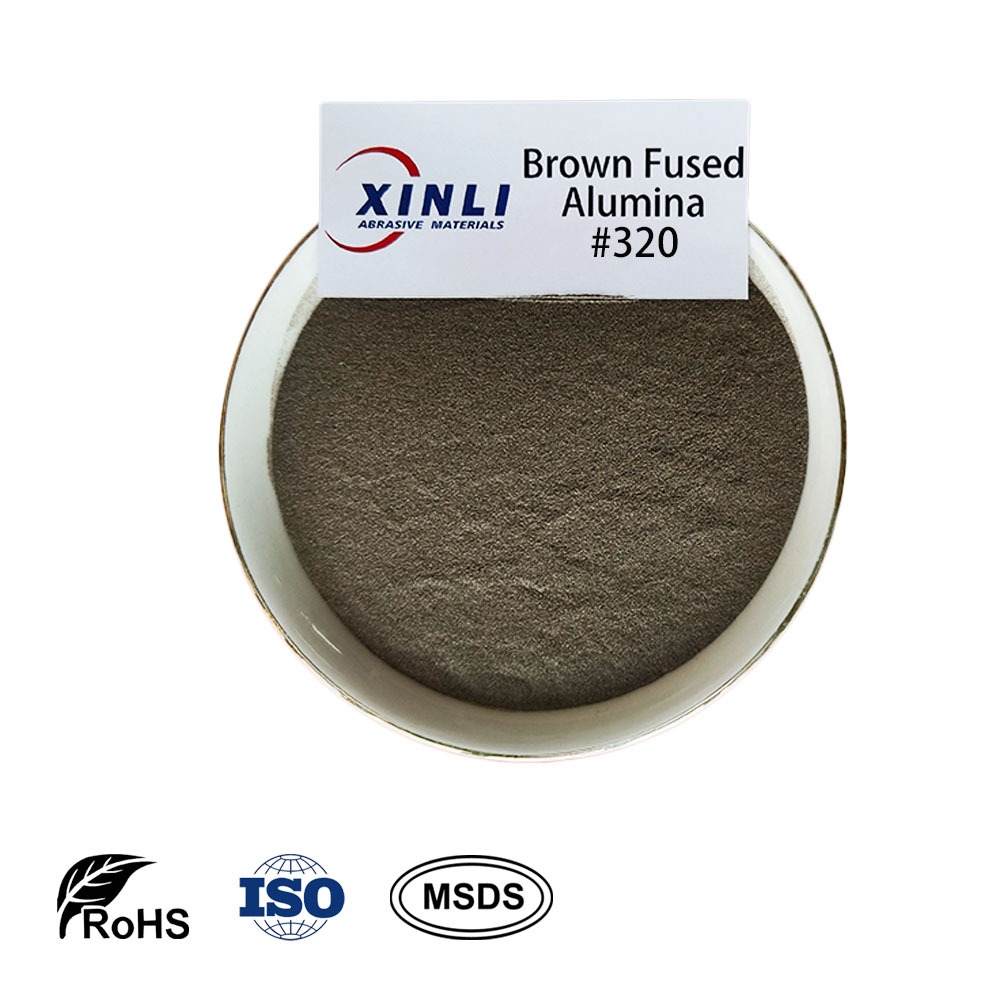
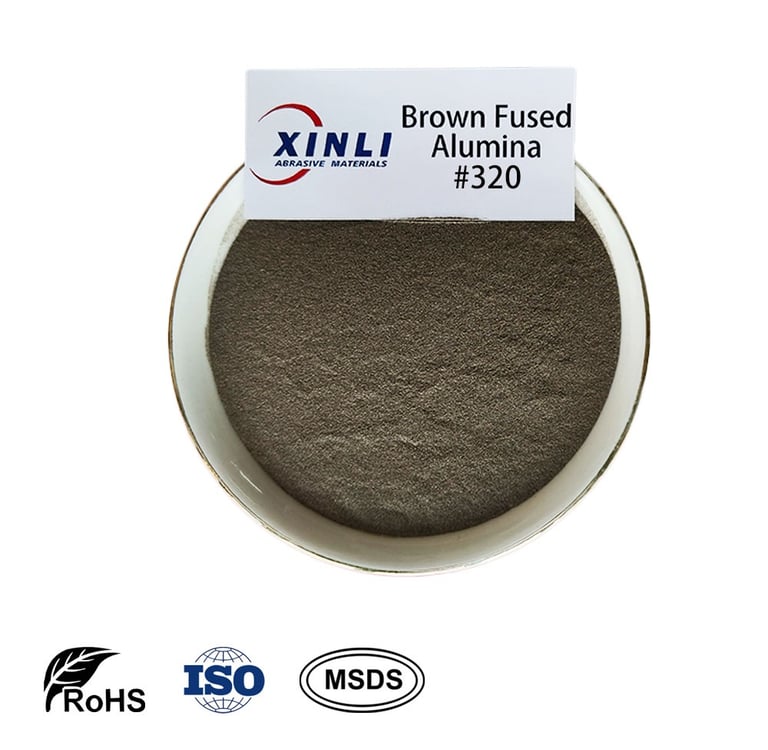
Brown fused alumina is an artificial corundum made by melting high-quality bauxite in an electric arc furnace at temperatures above 2000°C. After cooling, the material is crushed, graded, and processed into different grit sizes or micro-powders.
It typically appears as brown particles due to the presence of iron oxide and titanium oxide, which also contribute to its toughness.
2. Key Properties of Brown Fused Alumina
Brown fused alumina is valued for its balanced mechanical and thermal characteristics:
High Toughness: More impact-resistant than white fused alumina, making it suitable for heavy-duty grinding
Good Hardness: Effective for cutting and material removal across a wide range of metals
Thermal Stability: Performs well under high temperatures and friction conditions
Chemical Stability: Resistant to corrosion in most industrial environments
High Bulk Density: Ensures consistent performance in blasting and refractory applications
3. Manufacturing Process
The production of brown fused alumina involves several key steps:
Raw Material Selection
High-grade bauxite is chosen as the primary raw material.Electric Arc Furnace Melting
The bauxite is fused at high temperature, forming molten alumina.Cooling and Crushing
The cooled mass is crushed into various particle sizes.Magnetic Separation & Sieving
Impurities are removed and particles are classified into specific grit sizes.Optional Processing
Washing, acid treatment, or precision grading may be applied depending on application requirements.
4. Main Applications
4.1 Grinding and Abrasive Tools
Brown fused alumina is widely used in grinding wheels, sanding belts, and coated abrasives. Its toughness allows it to withstand high pressure without fracturing prematurely.
4.2 Sandblasting and Surface Preparation
It is commonly used for blasting steel, cast iron, and other materials to remove rust, scale, and old coatings. It provides a uniform surface profile for coating adhesion.
4.3 Refractory Materials
Due to its high melting point and stability, BFA is used in refractory bricks, castables, and kiln linings.
4.4 Polishing and Finishing
Although less fine than white fused alumina, certain grades of BFA can still be used for general polishing and deburring operations.
5. How to Choose the Right BFA Grade
When selecting brown fused alumina, consider:
Grit Size: Coarse grits for heavy material removal; fine grits for smoother finishes
Purity Level: Important for refractory and specialized uses
Bulk Density: Affects blasting efficiency
Application Type: Grinding, blasting, or refractory use
Choosing the right grade ensures optimal performance and reduces operational costs.
Conclusion
Brown fused alumina remains one of the most widely used abrasive materials due to its excellent balance of toughness, performance, and cost. Whether in heavy grinding, surface preparation, or refractory applications, it continues to play a critical role in modern industry.
For manufacturers seeking reliable and economical abrasive solutions, brown fused alumina is a proven and versatile choice.
Abrasives
High-purity abrasives for various industrial applications.
CONTACT US
© 2026. All rights reserved.

