Professional Abrasives & Grinding Solutions +8615890168176 xlabrasivematerial@gmail.com

Aluminum Oxide Powder: Properties, Applications, and Why It Matters in Modern Industry
Aluminum oxide powder, also known as alumina, is one of the most widely used industrial materials due to its excellent hardness, thermal stability, and chemical resistance. This article explores its key properties, production methods, and practical applications across industries such as abrasives, ceramics, electronics, and polishing.
NEWS&BLOG
3/30/20262 min read
1. What Is Aluminum Oxide Powder?
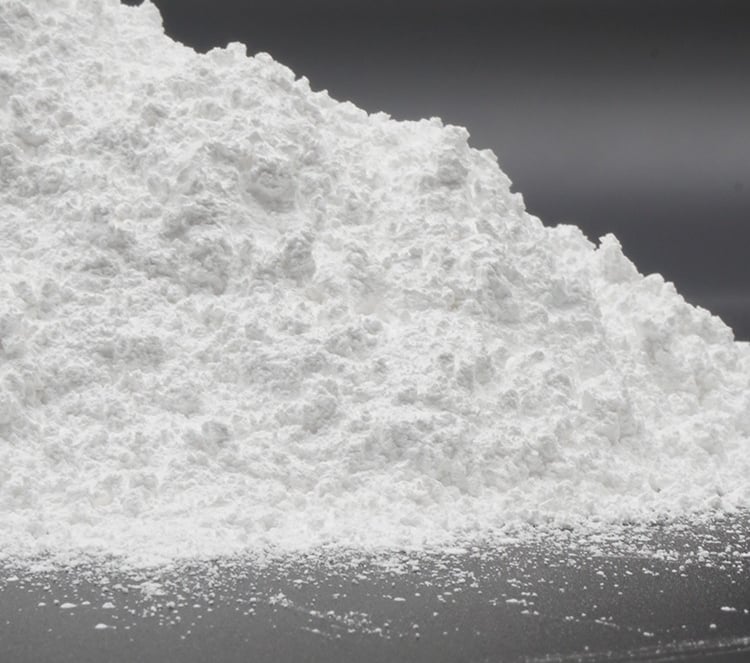
Aluminum oxide powder (Al₂O₃), commonly referred to as alumina, is a white crystalline material produced primarily from bauxite ore through refining and calcination processes. Depending on its purity and particle size, it can be tailored for a wide range of industrial uses.
It exists in several forms, with alpha-alumina (α-Al₂O₃) being the most stable and widely used due to its high hardness and thermal resistance.
2. Key Properties of Aluminum Oxide Powder
Aluminum oxide powder stands out because of its balanced combination of physical and chemical properties:
High Hardness: Second only to diamond among common industrial materials, making it ideal for abrasive applications.
Excellent Thermal Stability: Can withstand temperatures above 1600°C without decomposition.
Chemical Inertness: Resistant to most acids and alkalis, ensuring durability in harsh environments.
Electrical Insulation: Widely used in electronic substrates due to its insulating properties.
Controlled Particle Size: Available in macro-grits to ultra-fine powders for precision applications.
3. Production Process
The production of aluminum oxide powder typically involves two main steps:
Bayer Process
Bauxite is refined into alumina hydrate through digestion, clarification, and precipitation.Calcination
The hydrate is heated at high temperatures to remove water, forming pure aluminum oxide powder.
Advanced processing techniques can further refine particle shape, size distribution, and purity to meet specific industrial requirements.
4. Major Applications
4.1 Abrasives and Surface Finishing
Aluminum oxide is widely used in grinding wheels, sandpapers, and blasting media. Its sharp edges and durability make it suitable for cutting, grinding, and polishing metals, ceramics, and composites.
4.2 Precision Polishing
Fine alumina powders are essential in polishing applications such as optical lenses, semiconductor wafers, and stainless steel surfaces, where consistent surface finish and low roughness are required.
4.3 Advanced Ceramics
High-purity aluminum oxide is a key raw material in producing technical ceramics used in aerospace, medical implants, and wear-resistant components.
4.4 Electronics Industry
Due to its excellent insulation and thermal conductivity, alumina is used in substrates, insulating layers, and electronic packaging.
4.5 Refractory Materials
Its high melting point makes it ideal for furnace linings, kiln furniture, and other high-temperature applications.
5. Advantages Over Other Abrasive Materials
Compared to materials like silicon carbide, aluminum oxide offers:
Better toughness and durability
More stable performance under high pressure
Wider versatility across different industries
This makes it a cost-effective choice for both general-purpose and precision applications.
6. How to Choose the Right Aluminum Oxide Powder
Selecting the correct grade depends on several factors:
Particle Size (Grit or Micron Level): Determines surface finish quality
Purity Level: Critical for electronics and ceramics
Crystal Structure: Affects hardness and performance
Application Requirement: Grinding, polishing, or coating
Understanding these parameters helps ensure optimal performance and cost efficiency.
Conclusion
Aluminum oxide powder is a fundamental material in modern manufacturing, offering a unique combination of hardness, stability, and versatility. From heavy-duty grinding to ultra-precision polishing, its applications continue to expand as industries demand higher performance and finer surface quality.
For manufacturers and engineers, choosing the right alumina powder is not just about material selection—it’s about achieving consistent, high-quality results in an increasingly competitive market.
Abrasives
High-purity abrasives for various industrial applications.
CONTACT US
© 2026. All rights reserved.

